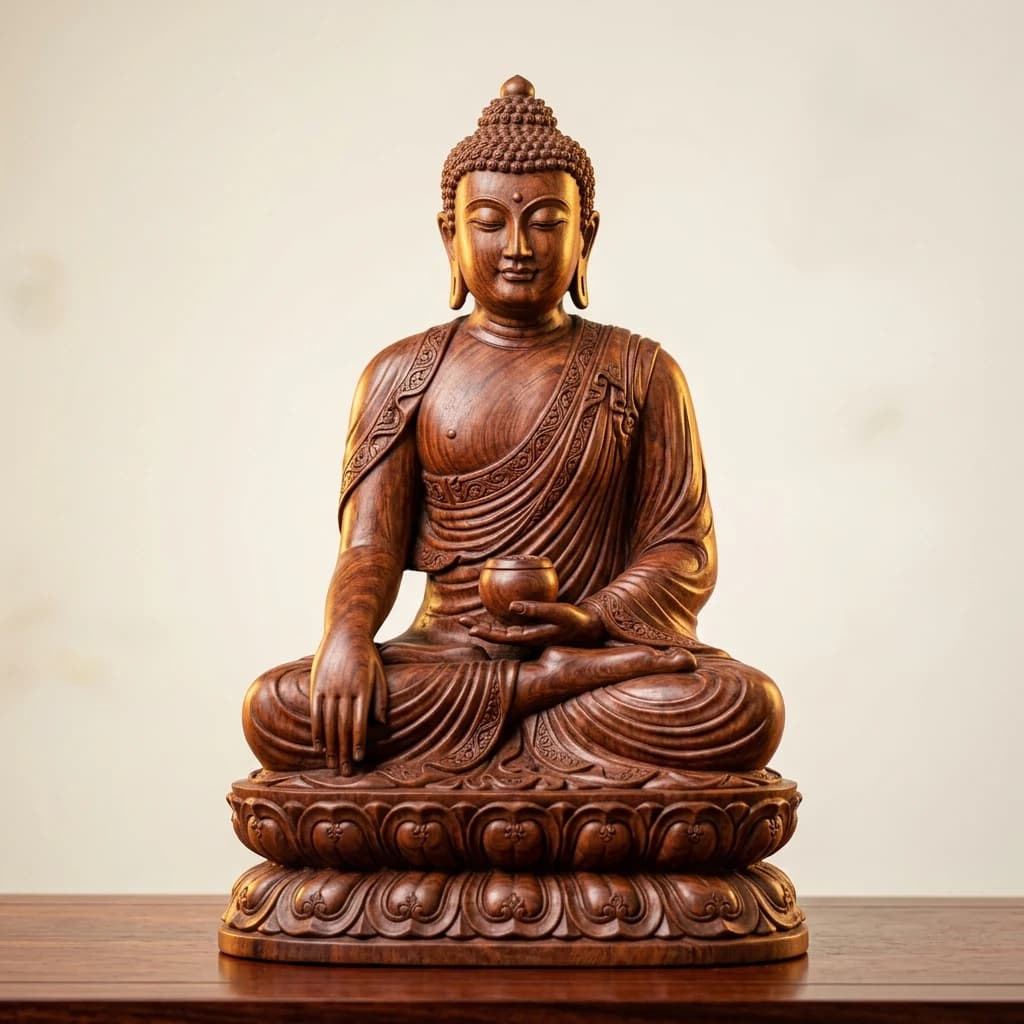
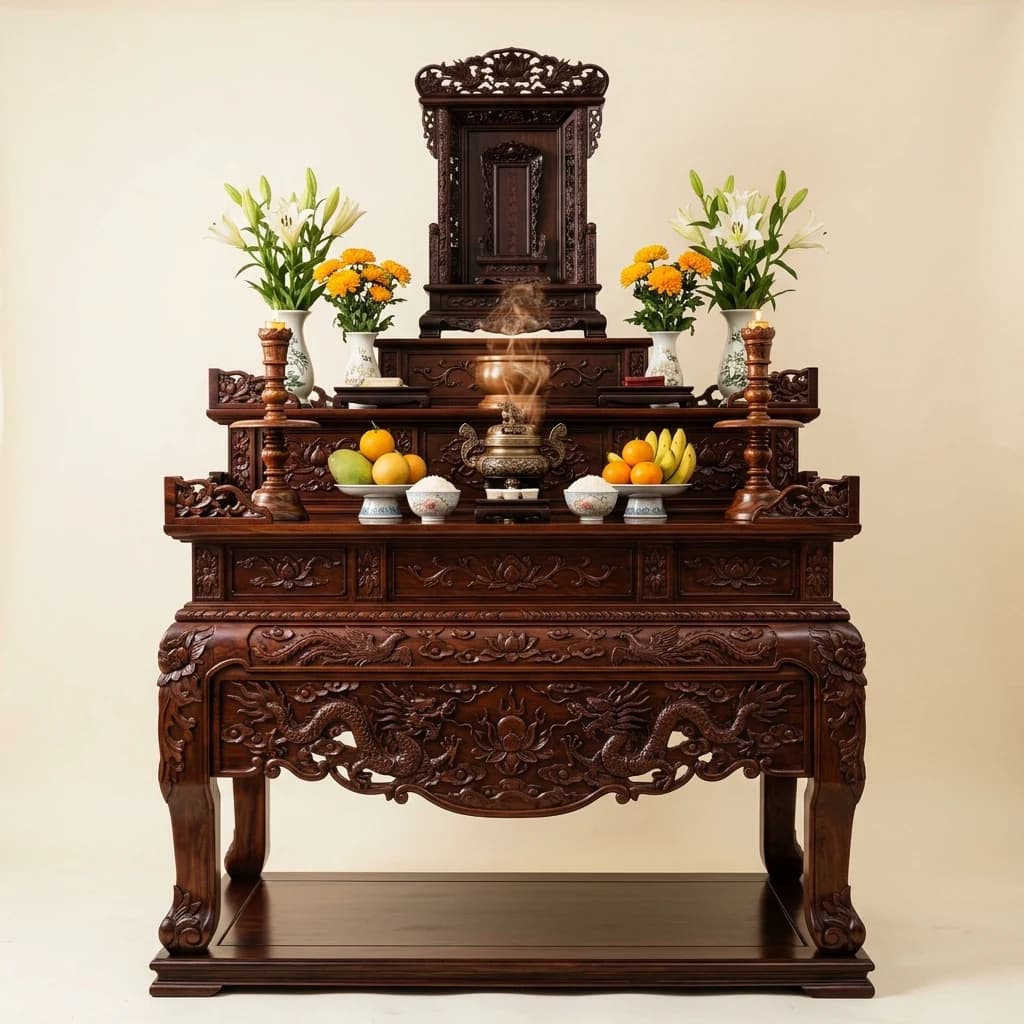
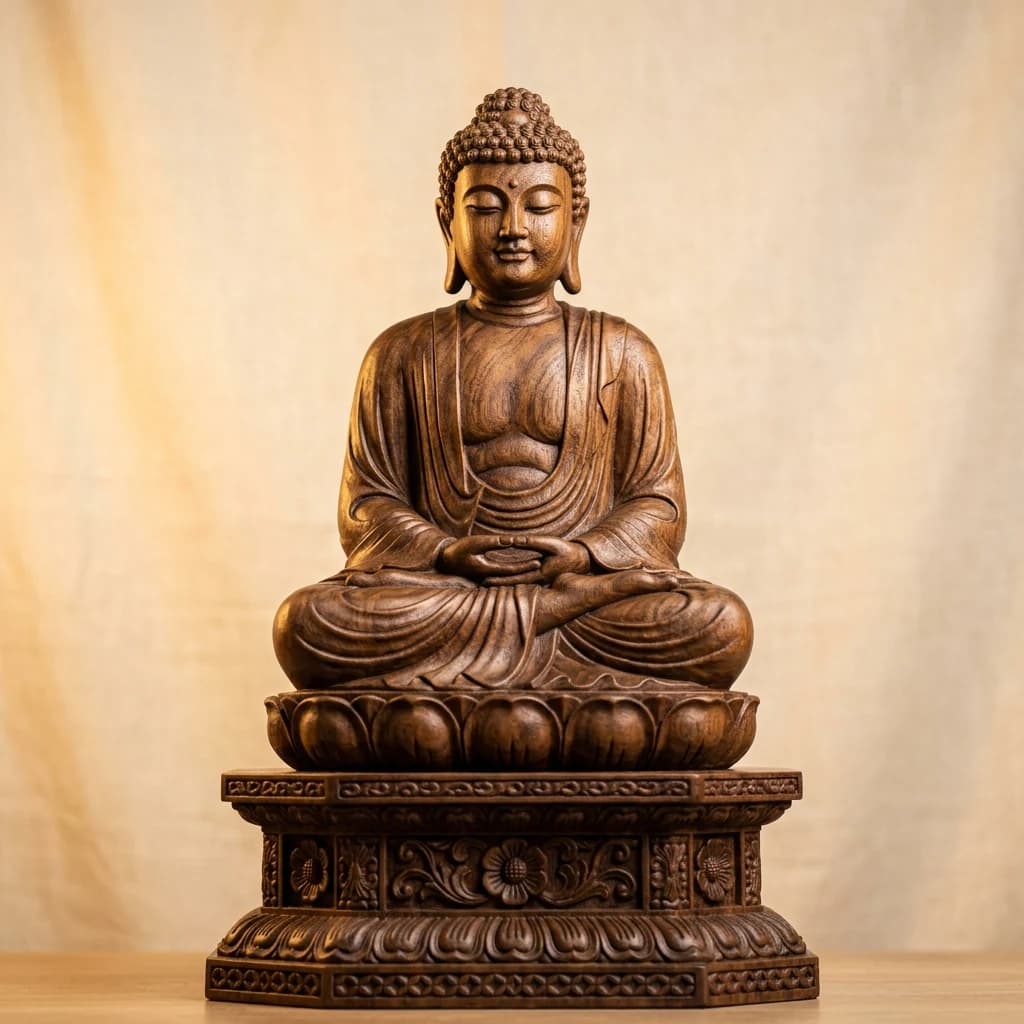
Choosing Wood for Buddha Statues and Altars
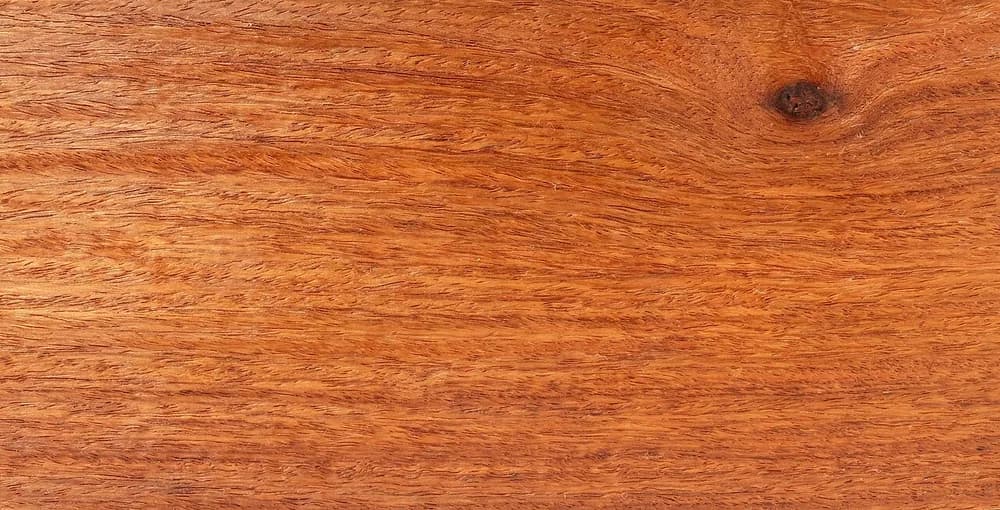
A lasting altar or finely carved statue starts with a suitable piece of timber. Grain, dimensions, moisture content and finishing all influence how the finished work looks and behaves over time.
Vietnamese families often favor jackfruit, huong or gu wood for their familiar appearance and association with traditional worship. Beliefs about auspicious materials belong to cultural practice; timber quality also requires an assessment of species, provenance and workmanship.
No natural wood is guaranteed never to warp, crack or suffer insect damage. Appropriate drying, construction and care are essential to lasting performance.
1. Understanding the photographs and wood names
These are real photographs of trees and identified wood specimens. Some show longitudinal samples, veneer or cross sections from botanical collections, rather than stock sold by Nhung Hai. Captions specify the specimen and botanical name. Paired tree and timber photographs illustrate the same species, not necessarily the same individual tree.
Lighting, age, cutting direction and finishes affect appearance. A photograph, scent or weight alone cannot establish wood identity. Vietnamese trade names such as huong da, huong do and gu can be applied differently by different suppliers.
2. Jackfruit: a traditional worship material
Illustrated species: Artocarpus heterophyllus, the familiar fruit-bearing jackfruit tree. Its heartwood is typically yellow to golden brown and darkens with exposure. Its workability helps explain its use in traditional carvings and worship furnishings.
Jackfruit may be selected for statues, decorative inscriptions and altars when the actual timber suits the design. Check knots, end cracks and the position of the pith in a statue blank. For a wall-mounted altar, calculate the combined weight of the shelf and all objects, and check the wall and brackets; do not assume that jackfruit is always light enough to hang safely.
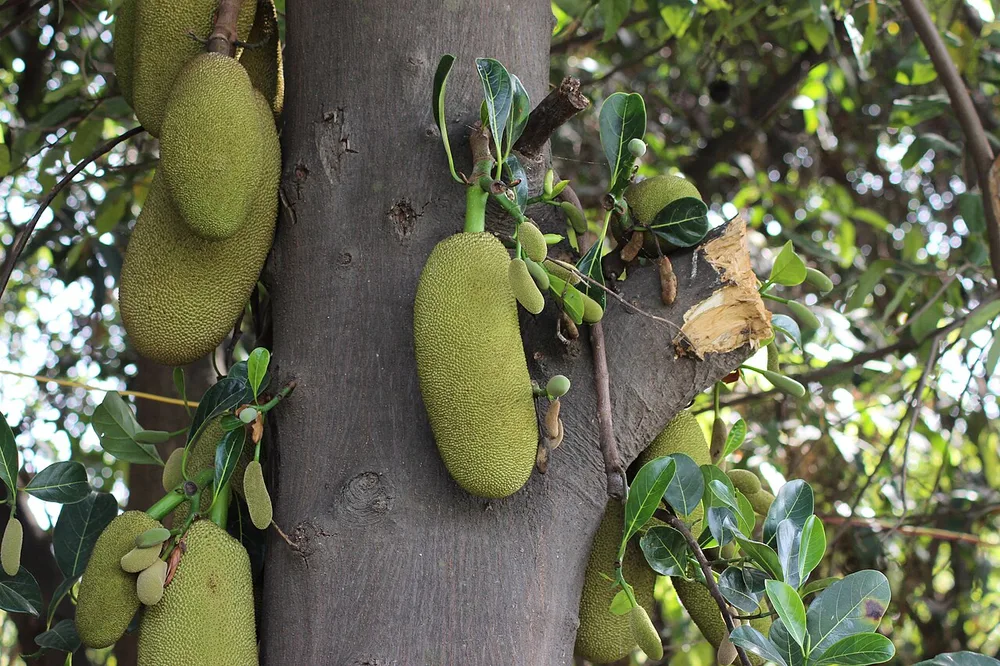
Suyash Dwivedi · Image source · CC BY-SA 4.0.
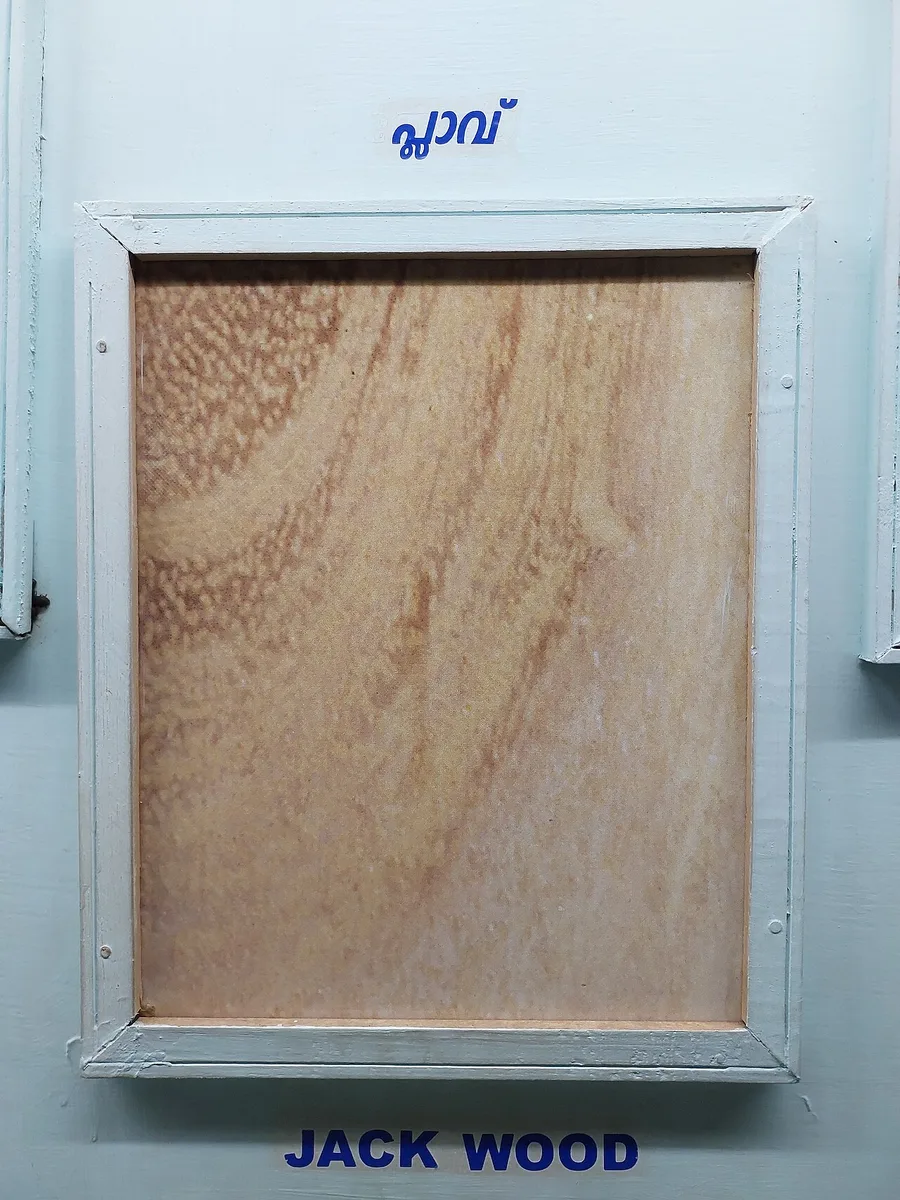
Vis M · Image source · CC BY-SA 4.0.
3. Huong wood: warm color and expressive grain
Illustrated species: Pterocarpus macrocarpus, Burma padauk. Heartwood ranges from golden brown to brick red, making it an option for pieces that display the natural timber surface. Hardness and grain direction need to be considered when carving delicate details.
Huong is used for both statues and altars, but the labels huong ta, huong do and huong da do not establish botanical identity. Ask for the precise species, origin and drying history. Scent may fade or be masked by finishes. A wood name alone cannot support a promise of several centuries of service.
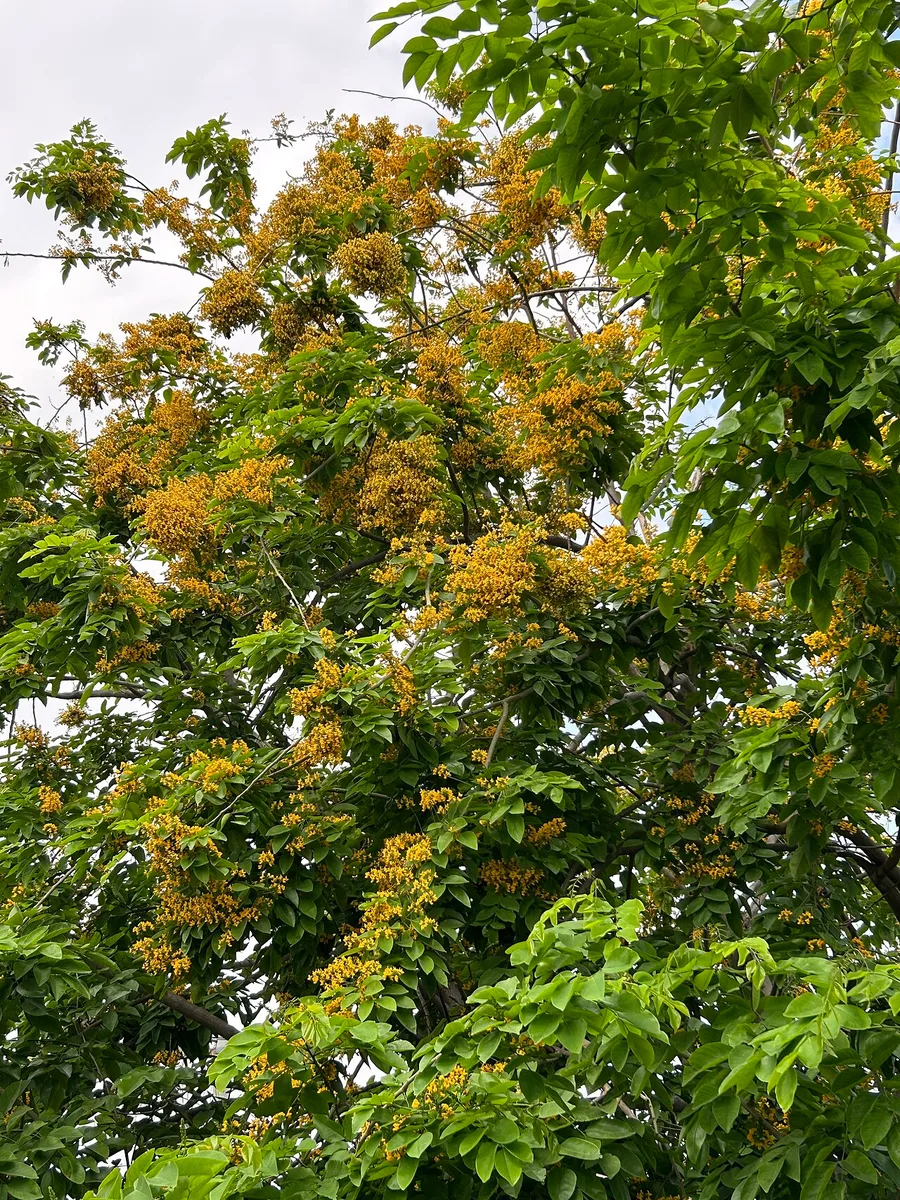
Htanaungg · Image source · CC BY-SA 4.0.

Philipp Zinger · Image source · CC BY-SA 4.0.
Further reading: Understanding huong ta and huong da.
4. Gu wood: a restrained look for traditional altars
Illustrated specimen: Sindora tonkinensis, known as gu lau in Vietnam. Gu is associated with traditional furniture and a smooth, brown-toned finish. The final dark brown appearance depends on aging and finishing as well as the timber itself.
Check the altar top for flatness, inspect joinery and look at concealed surfaces. Wide solid boards can still move with moisture changes; construction must accommodate this movement. Distinguish gu lau from other timbers sold under similar trade names.
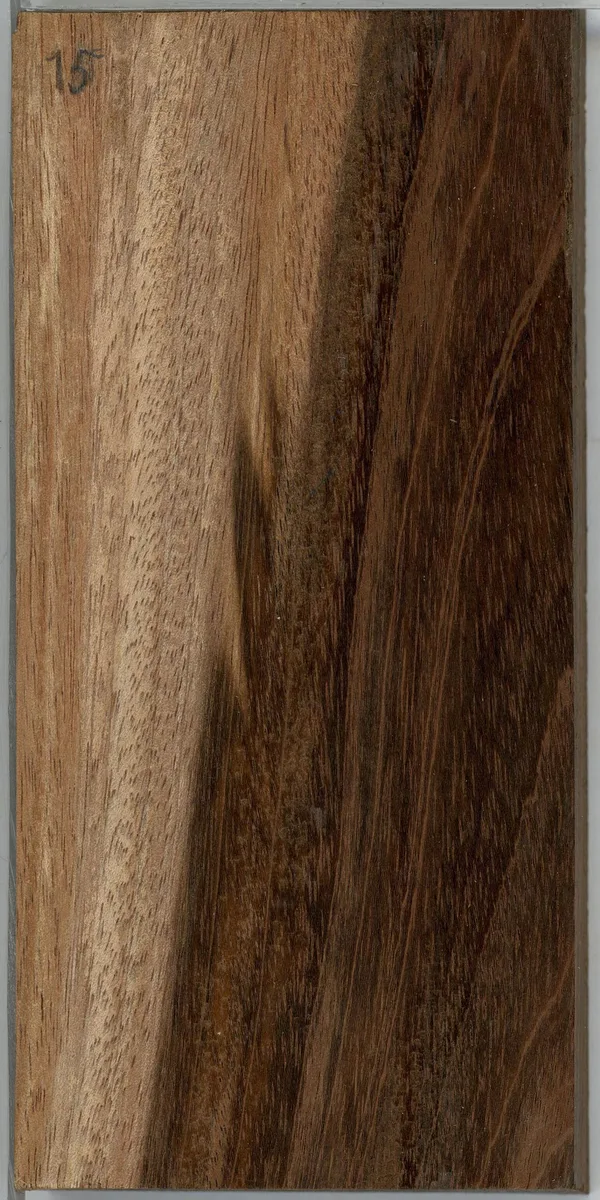
CIRAD / Gallica · Image source · Public domain.
A sufficiently verified full-tree photograph of gu lau is not yet available for this article. The photograph shows an identified timber specimen only.
5. Go do: timber for substantial designs
Illustrated species: Afzelia xylocarpa. Go do is used in decorative woodwork and substantial furniture. Grain and color bands vary from one board to another; a pronounced “tiger” pattern is not present in every piece.
For a large altar, examine actual board thickness, joints, legs and drying quality. Timbers marketed as go do may come from different species or regions. These photographs do not represent every imported timber sold under that name.
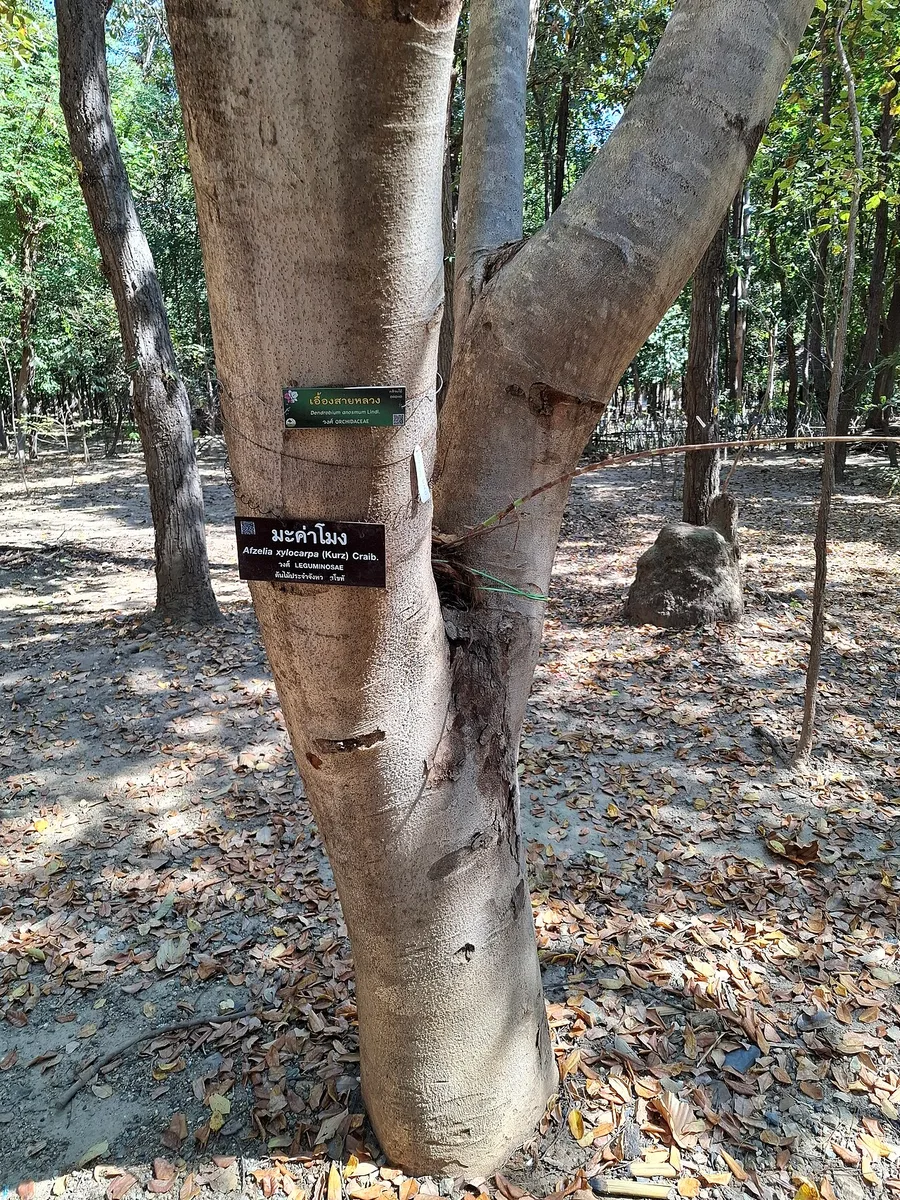
Lannafolium · Image source · CC0.
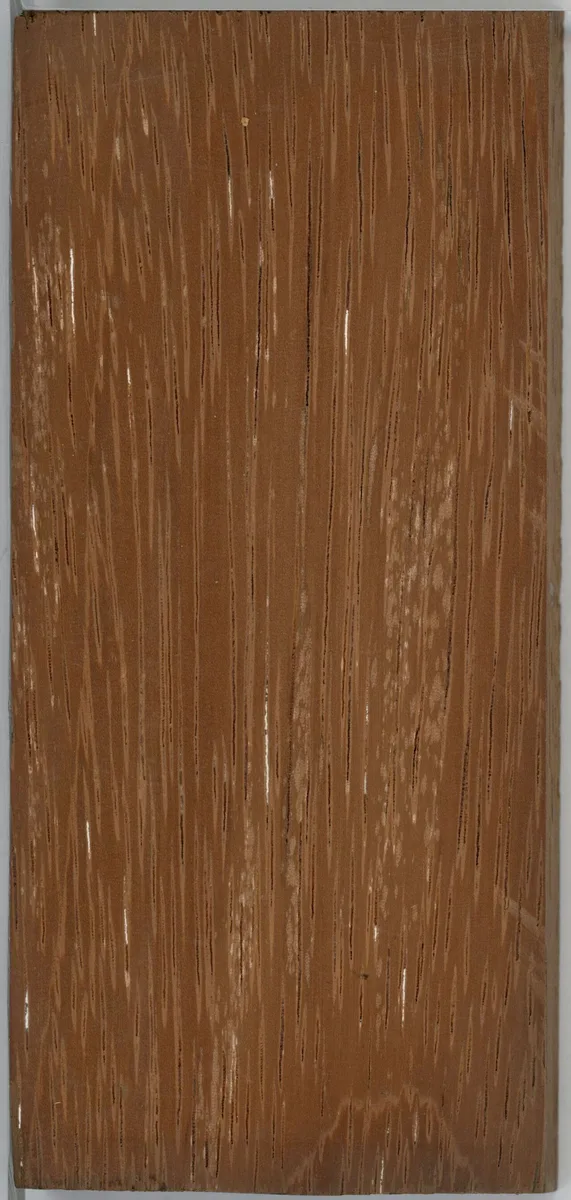
CIRAD / Gallica · Image source · Public domain.
6. Oak: an option for contemporary interiors
Illustrated species: European oak Quercus robur. Oak is a broad group: white oaks, red oaks and European species differ in their properties. Lighter surfaces and prominent rays on certain cuts can suit simple contemporary designs.
Do not assume that all oak is lightweight or equally decay-resistant. Drying controls moisture but does not guarantee permanent protection against termites. If a dark stain is planned, inspect a finished sample before commissioning the altar.
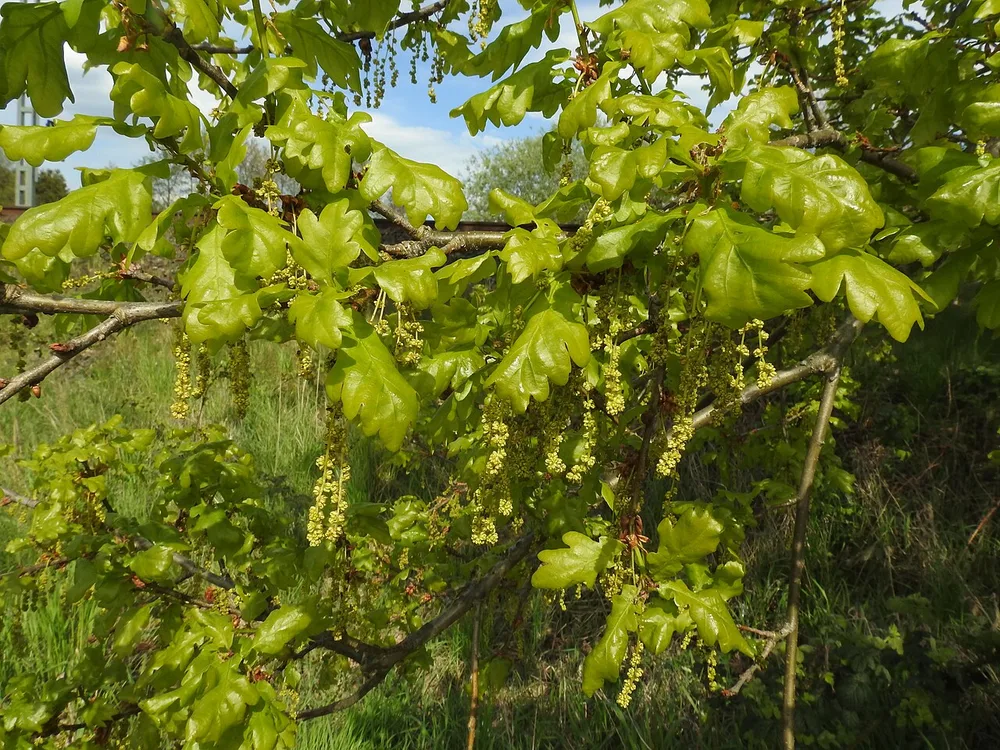
Robert Flogaus-Faust · Image source · CC BY 4.0.
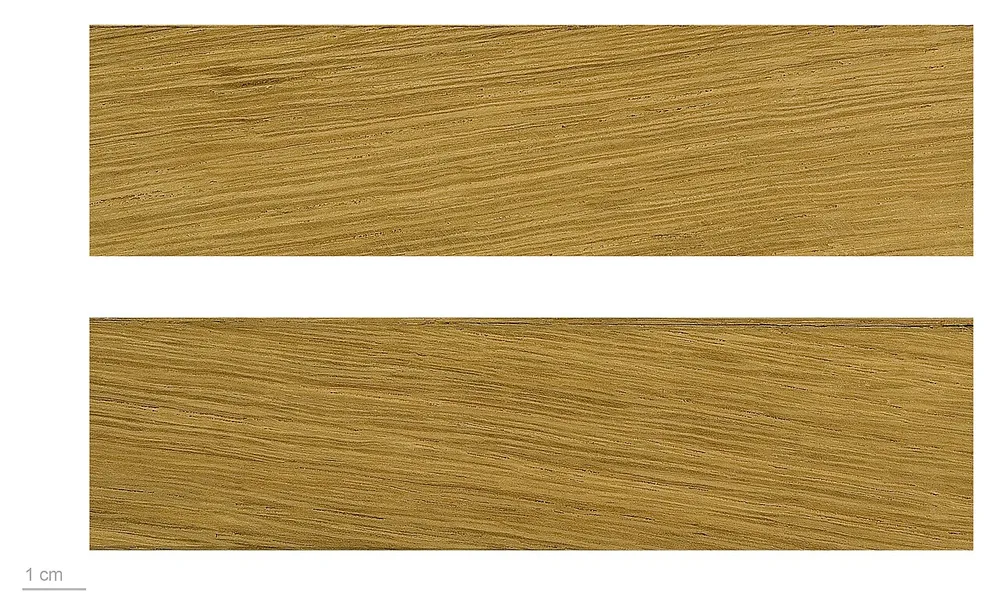
Jean-Pierre Chéreau & Roger Culos · Image source · CC BY-SA 3.0.
7. Trac and cam lai: related but distinct woods
Illustrated trac: Dalbergia cochinchinensis. Illustrated cam lai: Dalbergia oliveri. They are distinct species in the genus Dalbergia, valued in decorative woodwork for their appearance. The quality of an individual piece also depends on heartwood content, defects, size and workmanship.
For small carvings that emphasize natural grain, inspect the blank in daylight and discuss grain placement with the maker. Dark red color or black streaks alone cannot identify the species. Choose traceable material with appropriate documentation of origin.
Trac — Dalbergia cochinchinensis
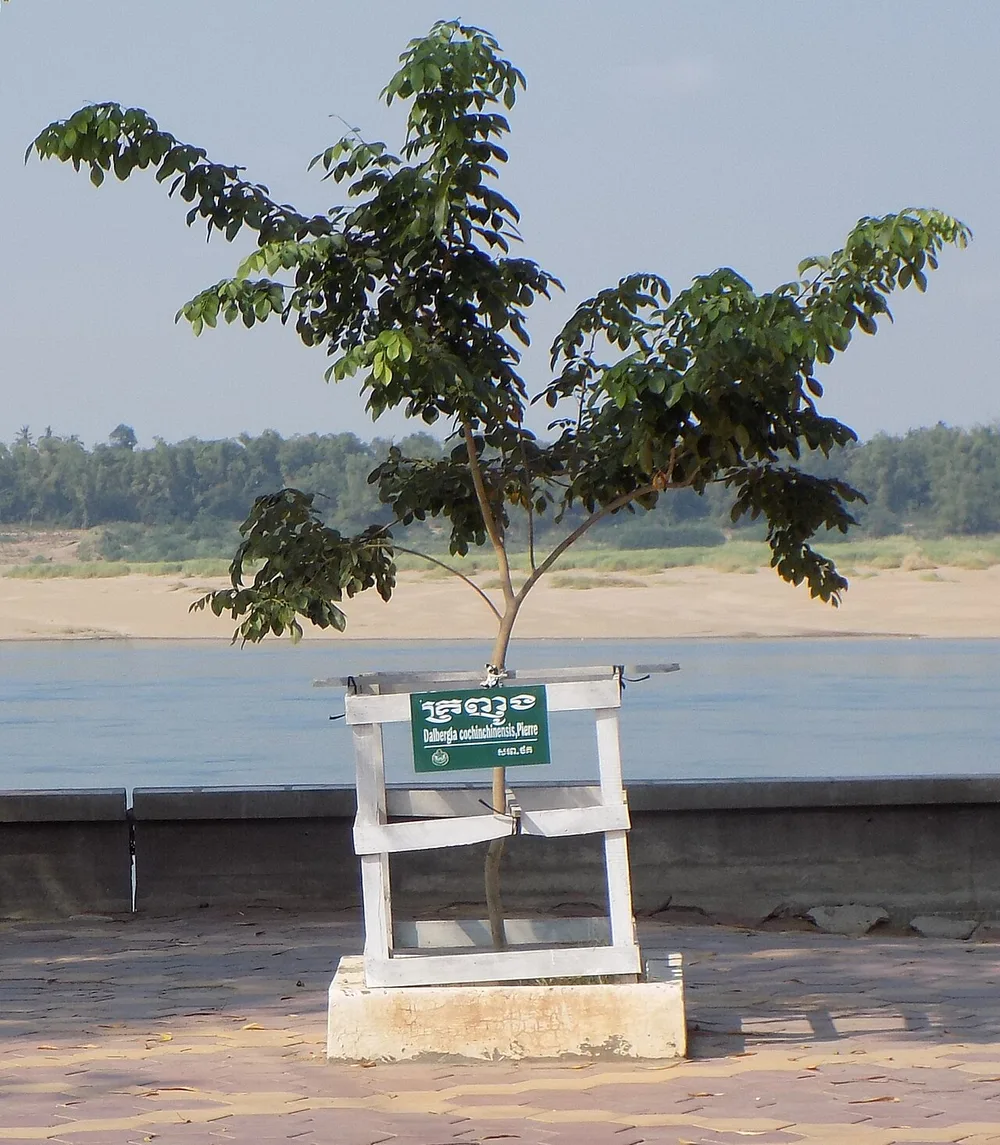
Pamputt · Image source · CC0.
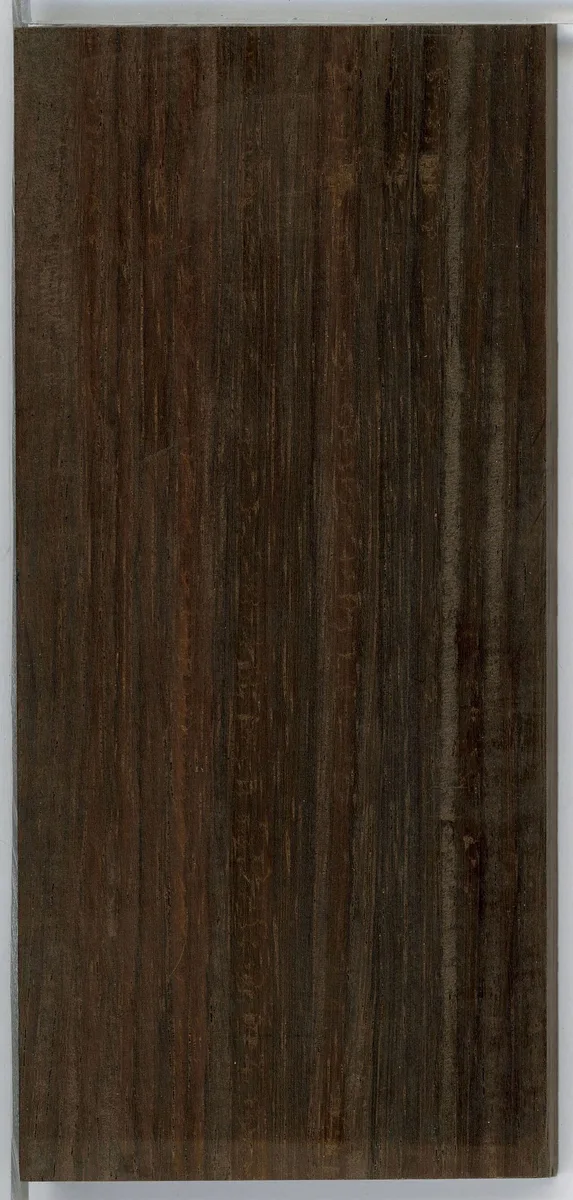
CIRAD / Gallica · Image source · Public domain.
Cam lai — Dalbergia oliveri
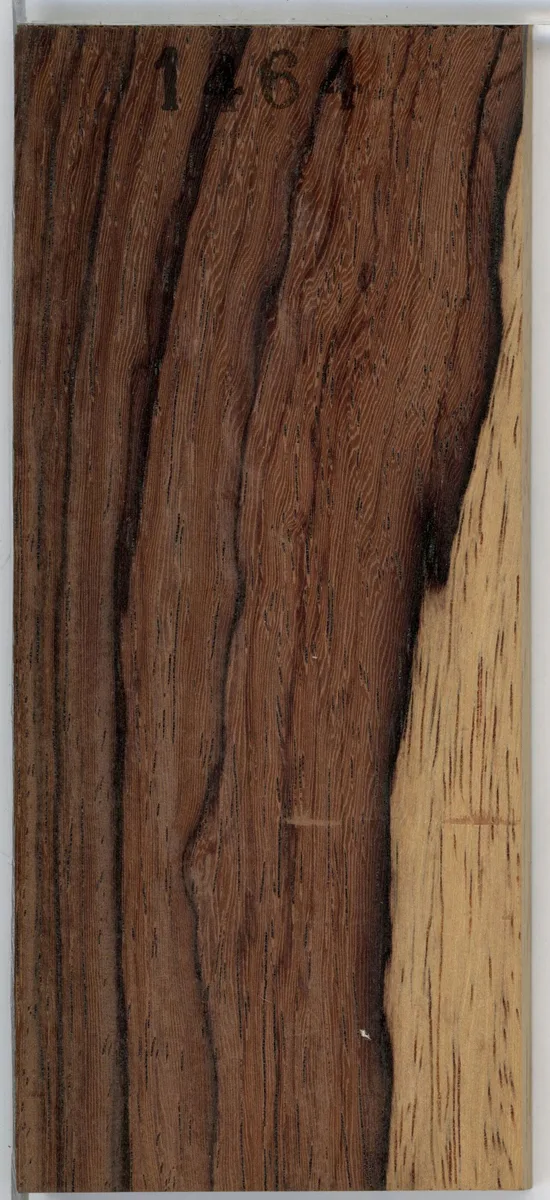
CIRAD / Gallica · Image source · Public domain.
A sufficiently verified full-tree photograph of cam lai is not yet available here. The timber specimen is identified in the CIRAD collection.
8. Bach xanh, ngoc am and hoang dan: look beyond fragrance
Bach xanh is associated with Calocedrus macrolepis. The photograph shows this conifer planted at the Saigon Zoo and Botanical Gardens. Aromatic woods attract interest for natural-finish carvings, but scent intensity varies with the specimen, storage and surface finish.
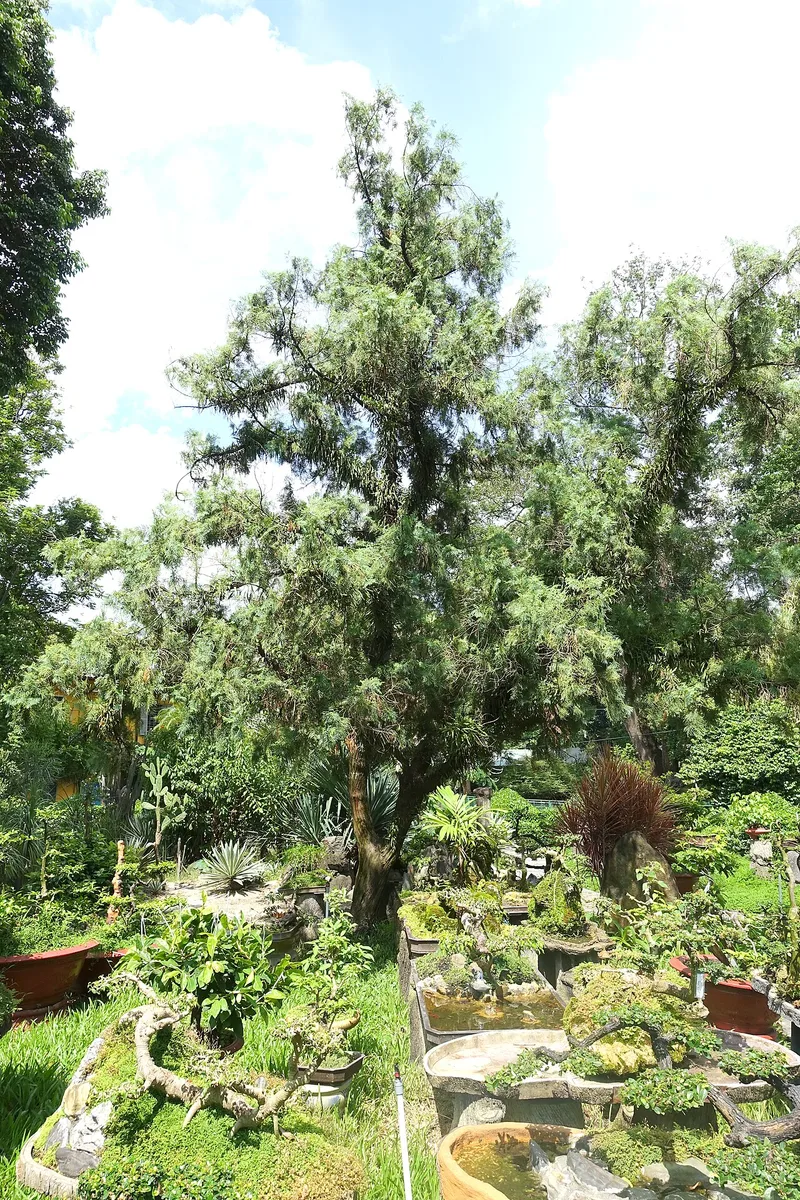
Daderot · Image source · CC0.
Ngoc am is linked to Cupressus funebris in an archaeological discussion published by the Vietnam Academy of Social Sciences. A seller’s label still cannot replace identification of the actual timber. Hoang dan also requires clarification of species and provenance; aromatic woods in the cypress family should not be treated as interchangeable.
Commercial descriptions such as a “snow-like bloom” are not reliable tests of species, quality or value. Fragrance alone does not demonstrate mosquito-repellent or health benefits for a finished carving. Ask the maker how coatings and care affect an aromatic piece.
Verified, reusable photographs of cut bach xanh timber and paired tree/timber photographs for ngoc am and hoang dan remain unavailable for this article. Photographs of lookalike species have not been substituted.
9. Mo wood is not hoang dan
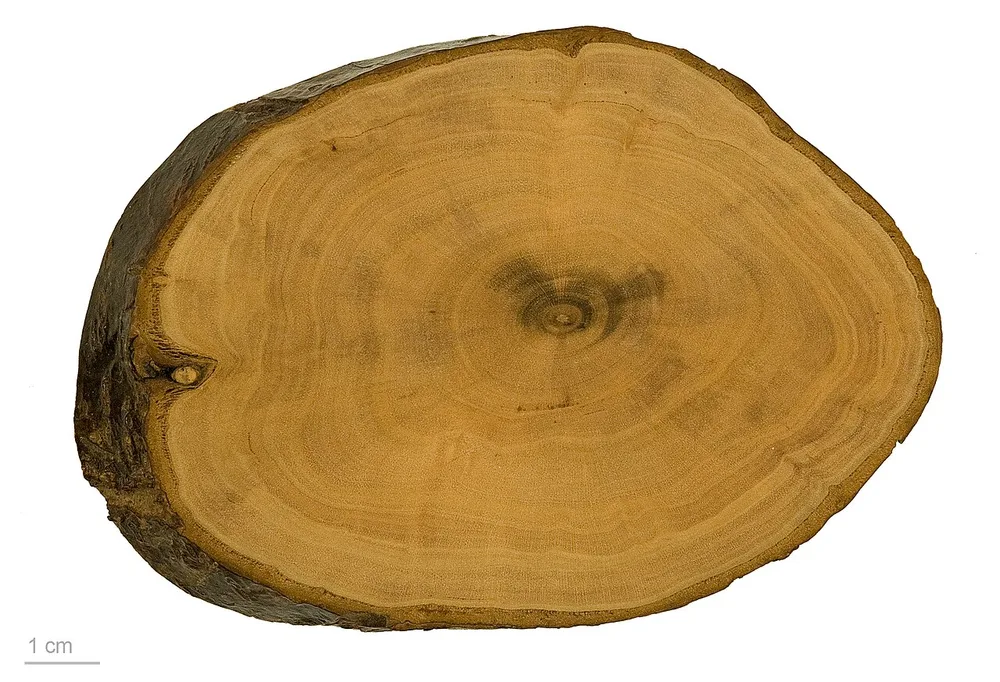
Illustrated species: Prunus mume, a flowering tree in the rose family, unrelated to the conifers above. The cross section illustrates heartwood, sapwood and growth rings; it does not represent the color of every piece sold as mo wood.
Mo should not automatically be described as producing a “snow-like bloom” or being as common an altar material as jackfruit, huong or gu. Assess the dimensions, dryness, knots and cracks of the specific blank before considering it for a carving.

AlijeZimberi · Image source · CC BY-SA 4.0.
Jean-Pierre Chéreau & Roger Culos · Image source · CC BY-SA 3.0.
10. A quick comparison by intended use
| Intended use | Possible materials | What to inspect |
|---|---|---|
| Traditional statues | Jackfruit, huong | Grain, knots, dryness and detail retention |
| Carvings emphasizing natural grain | Huong, trac, cam lai | Identity, grain direction, defects and provenance |
| Traditional altars and altar cabinets | Gu, jackfruit, go do, huong | Joinery, flatness, moisture and structure |
| Contemporary altars | Oak or another suitable timber | Species, finish sample, dimensions and load |
| Aromatic natural-finish pieces | Bach xanh or another identified aromatic wood | Species, origin, coating and care |
This is a starting point for a conversation with the workshop, not a quality ranking. A well-prepared piece of ordinary timber may suit a project better than an expensive blank that is still wet or contains major defects.
11. Choosing worship furnishings: beliefs and craftsmanship
- Discuss family preferences. Many families prefer new, clean timber of known origin. This is a cultural choice, not a universal prohibition shared by every worship tradition.
- Assess the blank. Ask about drying and moisture measurement; inspect cracks, dead knots, insect traces and repairs. The dimensions must suit the intended form.
- Judge joints by their construction. Joining timber is not automatically a defect. Altars need sound connections and allowance for movement; any assembled statue should be clearly described before ordering.
- Inspect a finished sample. Stains, oils and coatings can alter color, grain and scent. Ask about the finish, curing time and care instructions.
- Maintain a stable environment. Avoid direct sunlight, damp positions, heat sources and abrupt humidity changes. Use a soft cloth and do not leave standing water on the wood.
When discussing a commission with Nhung Hai Fine Woodwork, start with the available space, preferred statue or altar design, color and budget. These details help determine a suitable material more effectively than a trade name alone.
12. References and image credits
- Tropical Tree Seed Manual: Artocarpus heterophyllus — jackfruit tree information and uses.
- Tropical Tree Seed Manual: Pterocarpus macrocarpus — Burma padauk and heartwood color.
- USDA Wood Handbook, chapter 13 — drying and moisture control.
- USDA Wood Handbook: Biodeterioration of wood — biological deterioration.
- VASS: Ngoc am wood in archaeology — a discussion of botanical names.
- CIRAD and Muséum de Toulouse specimens and Wikimedia Commons tree photographs: individual creators, licenses and original file links appear below each image.